
"coffee mate"
500 article(s) found

Brief introduction of White Grapefruit fragrant Nicaraguan Coffee Manor Fine Coffee Bean Joy Manor
Caturra Kaddura is a hot variety in recent years. Since the 1950s, Nicaragua has been planted in Central and South America under the same conditions as Central American countries. It is grown in shaded coffee at high elevations. It tastes round and balanced with less sharp acid. The main unknown factors are war and hurricanes, which make a single farm unsustainable.

The defects of high-quality coffee beans introduce the basic knowledge of coffee
Moldy beans: because of incomplete drying, or damp in the process of transportation and storage, cyan and white molds grow, which sometimes make the beans stick together. If these moldy beans are not removed, they will produce moldy smell. Dead beans: beans with abnormal results. The color is not easy to change because of baking, so it is easy to distinguish. The flavor is thin, as harmful as silver skin, and will become a peculiar smell.

The taste of coffee is actually different in everyone's mouth.
In fact, the taste of coffee is different in everyone's mouth, as long as you feel fragrant, it is worth aftertaste. Think about the bitter taste of coffee, it is not bitter, it is a strange taste. People often say that coffee tastes like life, which needs fine taste. Life is like coffee, you can never get rid of that bitter, but if you can taste it carefully, there will be an aroma after bitterness.

Evolution history of baking utensils
When human beings found that coffee seeds have a special attractive flavor, it is the beginning of coffee history. This time is to transform coffee beans from being used as medicinal herbs only in East Africa and southern Arabia into one of the most popular drinks in the world, second only to oil in terms of trading volume.

Introduction of Kore sun-dried coffee beans in Kochere producing area of Yega Ficochel, Ethiopia
For the exchange of professional baristas, please follow the coffee workshop (Wechat official account cafe_style) G1 | Sun beans (Ethiopia Kochere Kore Natural G1) about Kore Kore is the village where this batch of coffee is grown and processed, which belongs to the Cochel district in the Yejashafi producing area, about 25 kilometers away from the center of Yejashafi town. Coffee cherries from November to Monday

Introduction of special varieties of sun-dried coffee beans in Nicaraguan Holiday Manor _ how to drink Palenema coffee beans
Professional coffee knowledge exchange more coffee bean information please follow the coffee workshop (Wechat official account cafe_style) Nicaragua 2018 COE#15 bidding batch Nicaraguan Coffee Holiday Manor Palenema Sun Nicaragua Jinotega El Recreo Parainema Natural-flavor-cherry, passion fruit, cranberry Cherry, Passion Fruit, C
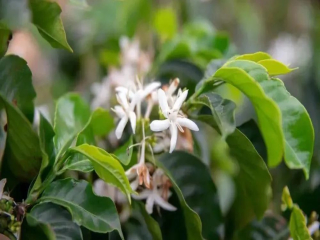
Arabica coffee parent species: Eugenioides
Coffee is known to be divided into three main varieties: Arabica, Robus Robosta and Liberica. The most famous and well-known of these is Arabica. We know iron pickup, Bourbon, Kadura, Guixia and so on, all belong to Allah
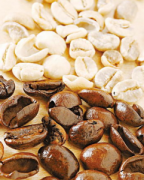
Coffee beans common sense coffee roasting defective beans introduction
Mildewed beans: because the drying is not complete, or in the transportation, storage process damp, and grow cyan, white mold, sometimes make beans stick together, if not remove these moldy beans, will produce mildew smell. Dead beans: beans that bear abnormal fruit. The color is not easily changed by baking, so it is easy to distinguish. The flavor is thin and harmful as silver skin, which will become peculiar smell.
Selection of coffee beans introduction to defective beans in coffee roasting
Moldy beans: because of incomplete drying, or damp in the process of transportation and storage, cyan and white molds grow, which sometimes make the beans stick together. If these moldy beans are not removed, they will produce moldy smell. Dead beans: beans with abnormal results. The color is not easy to change because of baking, so it is easy to distinguish. The flavor is thin, as harmful as silver skin, and will become a peculiar smell.
Basic knowledge of boutique coffee introduces several kinds of coffee defective beans
Moldy beans: because of incomplete drying, or damp in the process of transportation and storage, cyan and white molds grow, which sometimes make the beans stick together. If these moldy beans are not removed, they will produce moldy smell. Dead beans: beans with abnormal results. The color is not easy to change because of baking, so it is easy to distinguish. The flavor is thin, as harmful as silver skin, and will become a peculiar smell.

Tea-scented Nicaraguan Coffee Manor Joy Manor introduces boutique coffee beans
[country of origin] the planting conditions in Nicaragua are not inferior to those in Central American countries. They are grown in shaded coffee at high elevations. The taste is round and balanced with less sharp acidity. The main unknown factors are war and hurricanes, resulting in the unsustainable operation of a single farm. There is no historical data for raw bean merchants to track and consult farm data until the bad factors of coffee quality are caused after 2003.
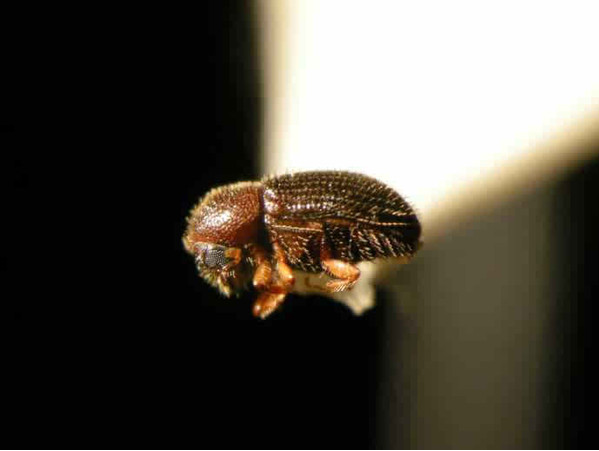
Eating and drinking Lhasa incest beetles in coffee beans
The tiny coffee fruit beetle can be said to be the Cersei and Jamie of the insect world, and the incest place of these bugs is the coffee beans you usually drink. Discovery News calls the coffee fruit beetle the most threatening pest to coffee plants in the world. Although drinking coffee inhabited by these bugs is not harmful to the human body, if

Common sense of defective beans affecting the flavor of high-quality coffee
Moldy beans: cyan and white bacteria grow because they are not completely dry or are too wet during transportation and preservation, which will make the whole cup of coffee mildew if mixed into roasting and grinding. Fermented beans: there are two main causes: one is the process of soaking in a washing fermentation tank, which is formed by water pollution, and the other is that the moisture in the warehouse makes it ferment and make the beans.
What does coffee bean Peaberry mean? how is 100% round bean coffee made?
Professional barista communication please follow the coffee workshop (Wechat official account cafe_style) everyone likes to hand-brew, do you know Peeberry? Peaberry is a small round coffee bean. This time we'll talk about Peaberry. Peaberry Peaberry is a round seed that contains only one grain in the fruit of coffee, also known as a round bean. Although the raw bean

Introduction to the taste of coffee from Nicaragua's Tianyi Manor, which is round and balanced.
Rene, the owner of the manor. Martin inherited his father Jose. Liu Ruoying, the main varieties of the manor are Kaddura and Pakamara. The Pacamara of the estate was the runner-up of COE in 2009, and Martin's father accepted the advice of a friend to plant Pacamara from El Salvador because of its productivity and cold resistance. [introduction to the country of origin] the planting conditions in Nicaragua are not inferior to those in Central American countries.

Coffee basic knowledge the taste of coffee is enough to make people memorable.
In fact, the taste of coffee is different in everyone's mouth, as long as you feel fragrant, it is worth aftertaste. Think about the bitter taste of coffee, it is not bitter, it is a strange taste. People often say that coffee tastes like life, which needs fine taste. Life is like coffee, you can never get rid of that bitter, but if you can taste it carefully, there will be an aroma after bitterness.

High-quality coffee beans defective beans in coffee baking
Moldy beans: because of incomplete drying, or damp in the process of transportation and storage, cyan and white molds grow, which sometimes make the beans stick together. If these moldy beans are not removed, they will produce moldy smell. Dead beans: beans with abnormal results. The color is not easy to change because of baking, so it is easy to distinguish. The flavor is thin, as harmful as silver skin, and will become a peculiar smell.
Which are the defective beans that affect the flavor of high-quality coffee?
Moldy beans: cyan and white bacteria grow because they are not completely dry or are too wet during transportation and preservation, which will make the whole cup of coffee mildew if mixed into roasting and grinding. Fermented beans: there are two main causes: one is the process of soaking in a washing fermentation tank, which is formed by water pollution, and the other is that the moisture in the warehouse makes it ferment and make the beans.

Basic knowledge of boutique coffee beans introduction to several kinds of coffee defective beans
Moldy beans: because of incomplete drying, or damp in the process of transportation and storage, cyan and white molds grow, which sometimes make the beans stick together. If these moldy beans are not removed, they will produce moldy smell. Dead beans: beans with abnormal results. The color is not easy to change because of baking, so it is easy to distinguish. The flavor is thin, as harmful as silver skin, and will become a peculiar smell.

When will there be a wave of boutique coffee-the fourth wave of coffee
When is there a boutique coffee wave-the fourth wave of coffee the first wave of coffee sprang up in instant coffee, represented by Nestle and Maxwell, which tastes delicious and Didi fragrant, which is almost the beginning of coffee enlightenment education in mainland China. At that time, Chinese people who were new to coffee were resistant to black coffee, which was popular in Europe and the United States. As a result, Nestl é launched a 1: 2 mixed model to eliminate bitterness.